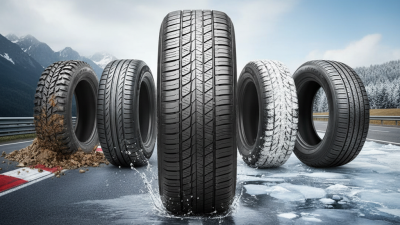
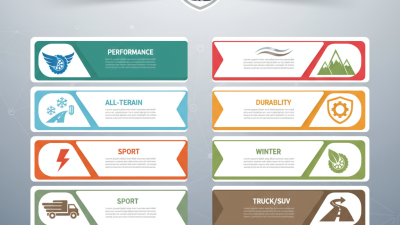
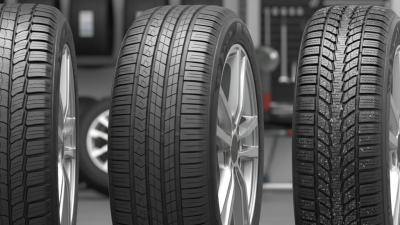
Choosing the best auto tire for global buyers requires more than comparing prices or reading tread advertisements. Tire performance changes with climate, road surfaces, vehicle weight, and driving habits. A model suited to dry highways may feel unstable on wet coastal roads. A winter tire may perform poorly in warm regions.
Reliable selection begins with verified specifications. Buyers should check tire size, load index, speed rating, construction type, and recommended inflation pressure. These details appear on the sidewall and technical datasheet. Fit matters most. The wrong size can affect braking, fuel use, steering response, and suspension wear. Independent test results and manufacturer certifications also deserve careful attention.
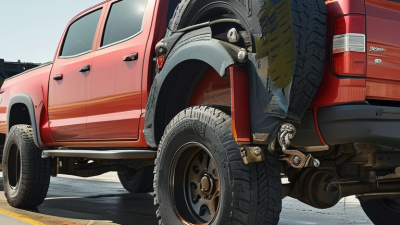
Local conditions matter greatly. A fleet operating near construction sites may need reinforced sidewalls and stronger puncture resistance. City drivers might value quietness, comfort, and wet braking. Buyers in tropical markets should examine heat resistance and tread performance during heavy rain. Snow regions require suitable compound technology, not simply deeper grooves. Cost matters, but the cheapest option may create higher replacement expenses. Real-world service life can differ from laboratory claims. No selection method is perfect.
A dependable global purchasing decision also considers supply consistency, warranty support, production dates, and regional compliance requirements. Experienced distributors can explain recurring field problems, including uneven wear or vibration after installation. Buyers should request clear documentation and compare several qualified suppliers. The best auto tire is not universally identical. It is the tire that safely matches the vehicle, route, climate, and operating budget.
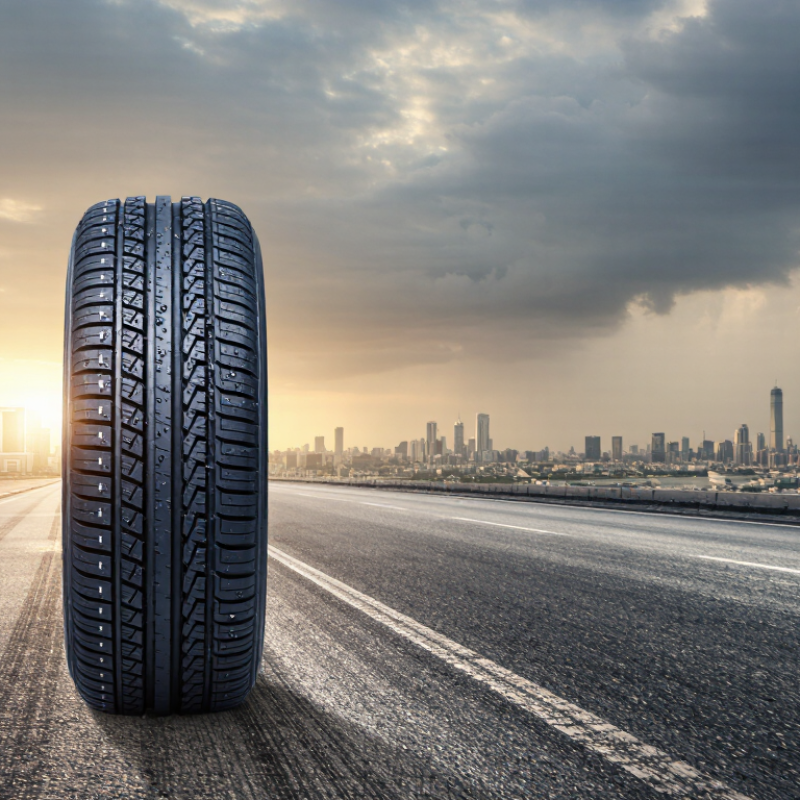
Global tire buying should begin with measurements, not advertising claims. Read the vehicle placard and owner’s manual before opening supplier catalogs. A size such as 225/55 R17 identifies width, aspect ratio, construction, and rim diameter. Check every character carefully. A small mismatch can affect clearance, steering feel, and speedometer accuracy. Do not assume a visually similar tire is interchangeable.
The load index shows the maximum weight one tire can carry at its rated pressure. As a rough check, multiply that capacity by four, then compare it with permitted axle loads. This matters more for vans, SUVs, trailers, and vehicles carrying tools or luggage.
The speed rating indicates the tire’s tested maximum speed under controlled conditions. It is not a target driving speed. Heat, road surface, inflation, and cargo can reduce real-world margins. A reputable seller should provide technical data, date codes, test references, and warranty terms. Ask for evidence.
Buyers also need to match climate and road use with the specification. Wet highways, gravel routes, winter temperatures, and tropical heat create different demands. Confirm markings and approval requirements with local transport authorities or a qualified tire technician.
I have seen comparisons fail because buyers ranked tread appearance above load capacity. That shortcut is easy to repeat. A better check records the exact size, load index, speed rating, pressure, and intended use before comparing prices. Even this process is not perfect; vehicle modifications and uneven loading still need professional review.
For global buyers, the 3PMSF symbol is a practical starting point for winter-tire selection. It shows a mountain and snowflake symbol. Under UNECE Regulation No. 117, qualifying tires must achieve a snow-grip index of at least 1.07 in a regulated test. This is more meaningful than the M+S marking, which does not require the same performance test.
Climate matters first. In northern regions, drivers may face packed snow, black ice, and temperatures below -7°C. A 3PMSF tire can provide more reliable traction in these conditions. In warmer cities, however, frequent rain and mild winters may make wet braking more important. European Commission tire-label guidance indicates that moving between rolling-resistance classes can change fuel use by roughly 0.5 liters per 100 kilometers. Small differences become significant for commercial fleets.
Road conditions need equal attention. A mountain route with sharp stones demands strong casing protection. A wet urban road requires dependable grip and stable braking. Check the tire’s load index, speed rating, tread pattern, and legal winter requirements before purchasing. Do not assume 3PMSF means perfect ice performance. It does not.
My early mistake was treating one symbol as a complete buying answer. It is only one tested performance signal. A tire selected for snowy highways may feel less precise on hot asphalt. Independent tests, local weather records, and the vehicle manufacturer’s specifications should guide the final choice.
The EU tyre label offers a clear starting point for global buyers. It rates rolling resistance and wet grip from A to E. A-rated tyres usually need less energy to roll. This may support better fuel economy or electric driving range. However, vehicle weight, tyre pressure, and road quality also affect results.
Wet grip matters during sudden braking on a rainy road. A higher grade can help shorten stopping distances in controlled tests.
Noise is shown in decibels and grouped into A, B, or C classes. Lower noise can improve comfort, especially on highways.
These ratings compare tyres under standard conditions, not every climate or driving style.
Tips:
Compare the same tyre size, load index, and speed rating. Check the label’s dB value, not only its noise class. A low-resistance tyre may feel less suitable on rough roads. In regions with heavy rain, wet grip deserves serious attention. I would not choose an A-rated tyre automatically. Real-world wear can change performance over time. Review independent test data and inspect local road conditions before ordering. A label cannot capture every compromise, and that limitation deserves careful thought.
Choosing the best auto tire for global use starts with a careful physical inspection. Tread depth is not only a sales specification. It affects braking, water evacuation, and steering control. Use a calibrated tread-depth gauge, not a visual guess. Measure the main grooves at several points across the tire. Check both edges, because uneven wear may reveal poor alignment or incorrect inflation.
The 1.6 mm limit is widely used as a legal minimum in many markets, but local rules can differ. A tire close to this level has little practical reserve, especially in heavy rain. For safer purchasing, many technicians recommend replacing tires before reaching the legal threshold. That is advice, not a universal law. Always confirm requirements with the destination authority or inspection agency.
DOT age also matters. The final four digits on the sidewall show the production week and year. For example, “2324” means the 23rd week of 2024. Tires can age in storage, even when unused. Look for cracking, stiffness, bulges, or flattened areas. I have seen apparently new tires perform poorly after long warehouse storage. That detail is easy to miss. Buyers should request clear sidewall photos, storage information, and batch details before payment. Tread depth alone cannot prove tire quality. A fresh, evenly worn tire with sound sidewalls is usually a more dependable choice for changing road conditions.
A reliable tire starts with certification, not a familiar logo. Check the certificate number, testing scope, production date, and applicable vehicle category. UNECE Regulations No. 30 and No. 54 cover important passenger-car and commercial-tire requirements. However, approval in one market may not satisfy another market’s rules. Confirm local homologation before ordering. The European Commission’s tire-label data shows that wet-grip ratings can create braking differences of up to 18 meters at 80 km/h. That distance can matter on a rainy highway.
Warranty terms deserve careful reading. Ask whether coverage includes tread defects, sidewall damage, workmanship, and replacement procedures. Then calculate total cost, including freight, taxes, installation, rotation, and expected service life. The U.S. Department of Energy’s Fuel Economy Guide explains that rolling resistance affects vehicle efficiency. A cheaper tire may therefore cost more during long-distance use. My own procurement reviews have found that buyers often compare unit prices too quickly. This is an easy mistake.
Tips: Match load index and speed rating to the vehicle. Check temperature range, road quality, winter conditions, and driving distance. Verify the manufacture date, not only the warranty length. A regional distributor can confirm local fitment, but independent test data is still valuable. Specifications can look perfect on paper. Real roads may disagree.